

The Difference Between Single-Breasted and Double-Breasted Suits
1. Historical Origins
The single-breasted suit traces its roots back to the early 19th century, evolving from the more elaborate waistcoats and coats of the Georgian era. It gained popularity for its simplicity and versatility, becoming the go-to choice for both formal and everyday wear.
The double-breasted design, on the other hand, has a more military heritage. It emerged in the 18th century as a practical style for naval officers, with the overlapping front providing better protection against the elements. Its structured, imposing look made it a symbol of authority and later transitioned into high fashion during the 20th century.
2. Button Configuration & Silhouette
Single-Breasted Suits
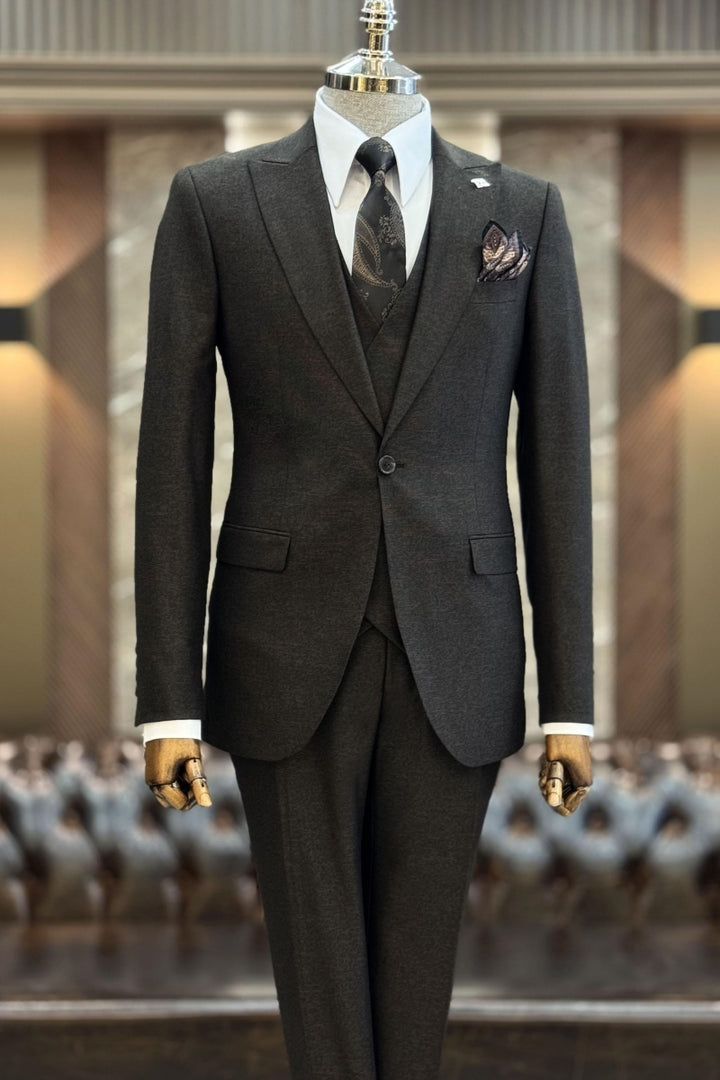
As the name suggests, single-breasted suits feature a single column of buttons, typically with 2 or 3 buttons (though 1-button and 4-button versions exist for more specialized styles). The front panels meet at the center, creating a streamlined, vertical line that tends to elongate the torso. The lapels can be notched, peaked, or shawl, but the overall fit is often more flexible, allowing for both slim and regular cuts.
Double-Breasted Suits
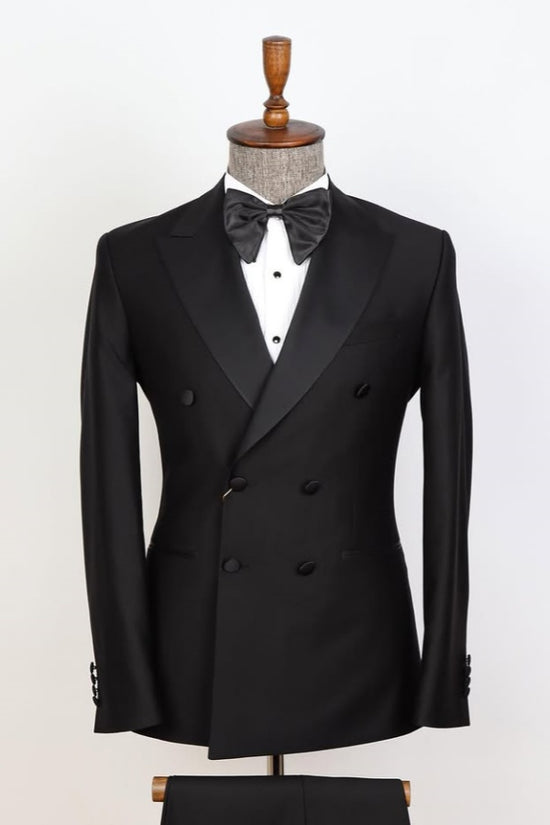
Double-breasted suits have two overlapping columns of buttons, usually with 6 buttons in total (though 4-button styles are also common). The classic configuration is 6x2, meaning six buttons with the top two being functional. The overlapping fabric creates a wider, more horizontal emphasis at the chest, giving the wearer a broader, more powerful silhouette. Peaked lapels are the traditional choice here, enhancing the suit's formal and structured appearance.
3. Formality & Occasion
Single-breasted suits are incredibly versatile, spanning the formality spectrum from business casual to black-tie (when paired with appropriate fabrics like velvet). A 2-button single-breasted suit in navy or gray is a wardrobe staple for office environments, while a linen version works perfectly for summer weddings.
Double-breasted suits are inherently more formal and make a stronger style statement. They shine in high-profile settings such as boardroom meetings, evening galas, or beachside black-tie events (in lightweight fabrics). Their architectural structure demands attention, making them less suitable for relaxed or informal occasions unless styled with intentional nonchalance, like rolling up the sleeves or pairing with sneakers.
4. Styling Tips
For Single-Breasted Suits:
· Stick to the "rule of odd": only fasten the middle button for a 3-button suit, or the top button for a 2-button style (never the bottom one).
· Experiment with different lapel styles and pocket details to adjust the formality level.
· Perfect for layering under overcoats due to their slimmer front profile.
For Double-Breasted Suits:
· Always keep the top functional button fastened (even if sitting) to maintain the jacket's structured shape.
· Opt for a tailored fit to avoid looking bulky - the shoulders should fit snugly, and the waist should nip in slightly.
· Pair with high-waisted trousers to balance the wide chest silhouette, creating a classic hourglass shape.
Conclusion
Both single-breasted and double-breasted suits have their unique strengths: the former offers timeless versatility, while the latter exudes confidence and authority. Your choice should depend on the occasion, your body type (double-breasted suits flatter broader shoulders, while single-breasted suits are more forgiving for narrower frames), and the style statement you want to make. Whichever you choose, a well-fitted suit in either style will always be a sartorial investment that stands the test of time.
Harmonizing Your Suit with Your Wedding Theme
Soft Beige: The Gentleman's Must-Have Summer Wardrobe Staple
Related Posts

Newly Arrived Prom Outfits for Boys

Popular Styles of Men’s Wedding Suits for the Modern Groom

Embellished Black Jacquard Prom Suits

New Arrivals: Elevate Your Look With Our Bespoke Men’s Suits

White Suits That Shine For Both Prom And Wedding

Bold Prom Suit Styles Redefining Men’s Formal Fashion

These White Men Suits Redefine Formal‑Wear Elegance
